
This “Limited Edition” Blu-ray from Radiance Films is currently available for purchase.
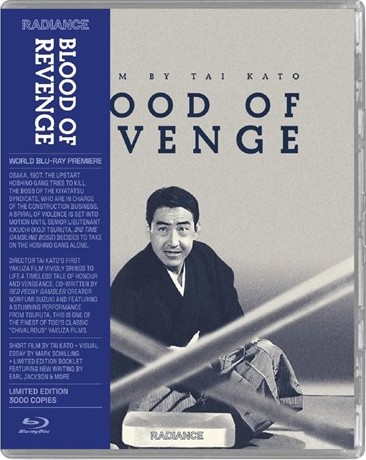
Radiance Films has had a long streak of delivering classic international titles to North American movie fans. They’re continuing the trend this month with another batch of releases. The second to arrive this week is the Japanese feature Blood of Revenge (1965), which is considered the gold standard of a specific type of Yakuza film. If you appreciate crime movies from this part of the world, then it’s an essential title that sets up many of the genre staples that would follow for the next couple of decades.
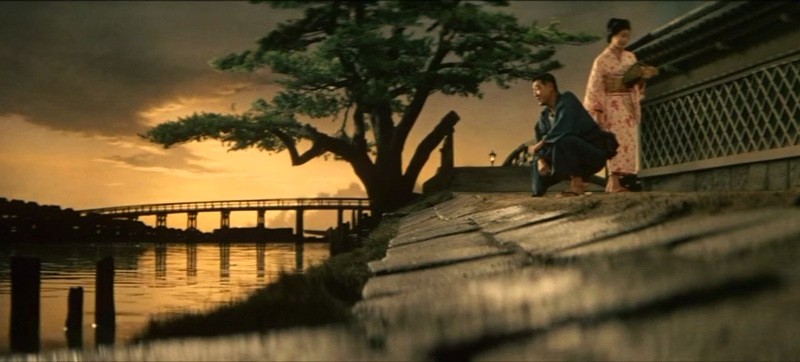
The distributor is presenting the feature as a “Limited Edition” Blu-ray. It comes with a high-definition transfer of the movie from the Toei Company, Ltd., the production company behind many of these types of pictures. This is another solid transfer that presents a clean and impressive image with a fine amount of natural grain that won’t be noticeable to most viewers. The film is also beautifully shot and some scenes, including an encounter between two characters at sunset, are gorgeous to behold.
So, what is the movie about? Well, it’s set in Osaka in 1907, and follows a generally friendly Yakuza gang called Kiyatatsu who own and operate a construction supply business. Truth be told, this group doesn’t want any violence, actually preferring to focus on honest commerce, with force only being used as a protective measure and last resort. Unfortunately, there is another upstart Yakuza group who are decidedly less pleasant – they want to take control of the area and wipe the entire Kiyatatsu family out. When the “Boss” of the Kiyatatsu syndicate is stabbed, members get together to plan their next step. The son of the leader, Haruo (Masahiko Tsugawa), is young and hot-headed, demanding immediate retaliation. However, the sharper and more level-headed Asajiro (Koji Tsuruta) prefers a subtle approach to dealing with the conflict.
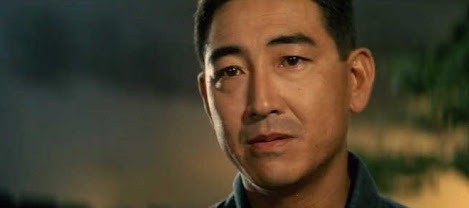
The call for calm is extremely difficult when the main hitman/gang thug Karasawa (Turo Abe) continues to threaten the Kiyatatsu family. Asajiro also comes into conflict with Karasawa over the affections of local prostitute Hatsue (Sumiko Fuji). The villain wants to buy Hatsue outright and is incredibly abusive towards the woman. When Karasawa learns that her father is dying, he pays for Hatsue to leave town and pay her respects. Overwhelmed by his kindness, the woman falls for Asajiro, and tensions escalate between the men. Even within the Kiyatatsu family, there is strife when the protagonist is given control of the “business,” much to the dismay of son Haruo.
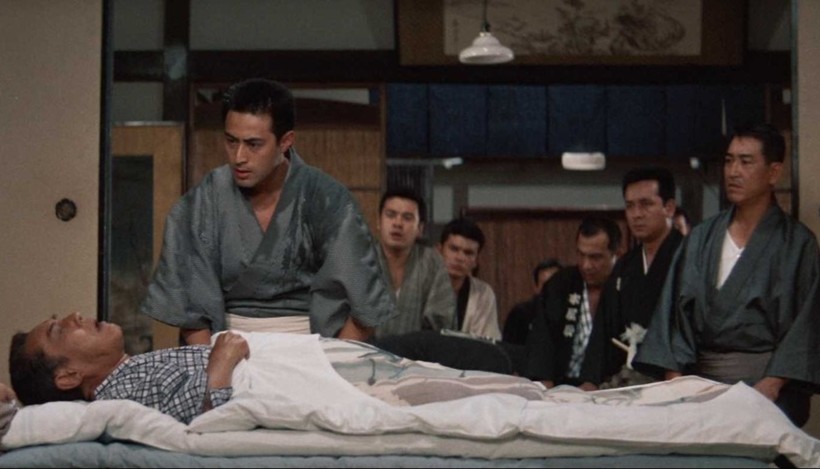
This is a slow burn of a movie, with the quiet but assured Asajiro standing by a strict moral code and trying to do right by everyone within the organization. He certainly bends to try and accommodate others, but any viewer knows that it’s only a matter of time before the villains strike again and the situation devolves into a bloody showdown. But while there are no surprises with the story, the cast are very good in their roles. Tsuruta is a charismatic lead, even though he doesn’t have much in the way of monologues and keeps a low profile.
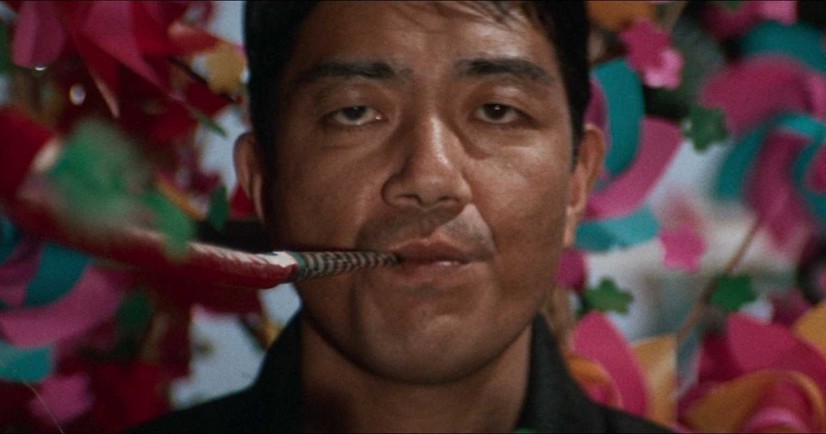
There’s a lot of melodrama with the romantic subplot, but he and Fuji (as well as the period backdrop) help sell it all. The villains are also enjoyable to watch. Abe is a blast to witness as the central foe, staring down his enemies menacingly. He is given a memorable introduction during a village celebration with a party blower that’ll bring a smile to the face of any viewer. Despite the colorful backdrop, this guy definitely doesn’t look like he’s there for a good time.
The widescreen photography in general is quite good, with a lot of low angles. You’ll see plenty of creatively framed images shot from the ground up featuring more feet onscreen than you would expect to see. Occasionally, figures will drop into the frame during battles. The previously mentioned sunset encounter also looks wonderful.
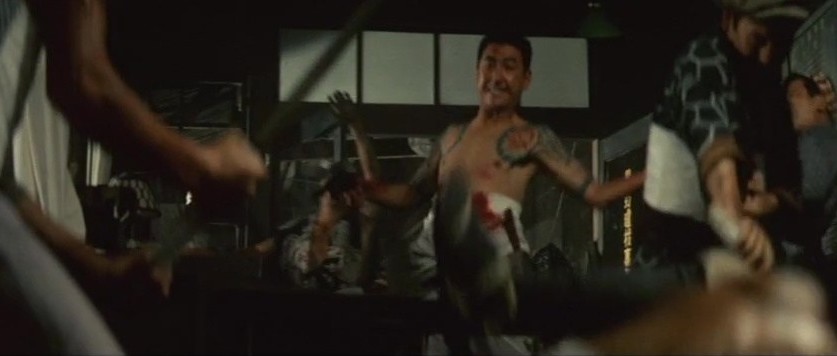
As this is a Yakuza film, everything does eventually end in a bloody fracas, and the climax is impressively put together. And the final, bittersweet exchange between the main character and Hatsue adds a unique spin to the situation. There is no doubt as to why the film was popular back in the day. By today’s standards, there aren’t any surprises, but as the first of its kind, the compelling cast, and slow-burn tension that explodes during the finale makes a lasting impression.
Viewers new to Japanese cinema will also get a couple of bonuses to help explain the picture and its cultural significance. The major extra is a featurette on the life and career of co-star Sumiko Fuji. Fuji is considered one of cinema’s biggest stars in her homeland, and the film historian narrating explains that she was discovered at a young age after auditioning for a couple of studios. Once you signed with one house, you often stayed with them for your entire career.
It seems that Toei was the studio that managed to sign Fuji. The company was struggling to survive as TVs were being introduced to the public and box office grosses were dropping. Toei changed their business model, focusing on Yakuza tales about “honor among thieves”. Blood of Revenge was among the first, and when it struck a nerve with audiences, Fuji ended up appearing primarily in their crime and action pictures. She eventually was given her own successful franchises like the Red Peony and Lady Wanderer series. The speaker notes that Blood of Revenge ranked as her favorite role and says that while it was an exciting and enjoyable shoot, she didn’t get on well with star Koji Tsuruta. In the end, this conflict may have actually added to the onscreen tension between them. It’s an enlightening featurette.
Additionally, the disc includes the short Lice are Scary (1943) made by the director and produced for the Ministry of Public Welfare. It’s about the dangers of lice, and features a man who doesn’t care about hygiene. Suddenly, talking animated ticks appear on his skin. They drink his blood, reproduce and expose him to Typhus. It is, in part, a propaganda film from around 1943 before World War II had ended, but is an amusing and wild way to see this information presented to the public. And, while eccentric, the short does a good job of explaining the dangers and sickness that lice can cause. The print is in rough shape, but this is still a lot of fun to watch.
Those who pick up the Blu-ray will also get a reversible sleeve and a booklet with writing on the movie that discusses its important role in Japanese cinema history.
All in all, the film is another fascinating effort that is rightly considered a groundbreaking movie in its home country. The picture is clean and the extras add a bit more background details that make the film even more enjoyable. Blood of Revenge is recommended to those who appreciate Japanese Yakuza-centered films.
