
This “Limited Edition” 4K Ultra HD and Blu-ray set from Radiance Films is currently available from retailers.
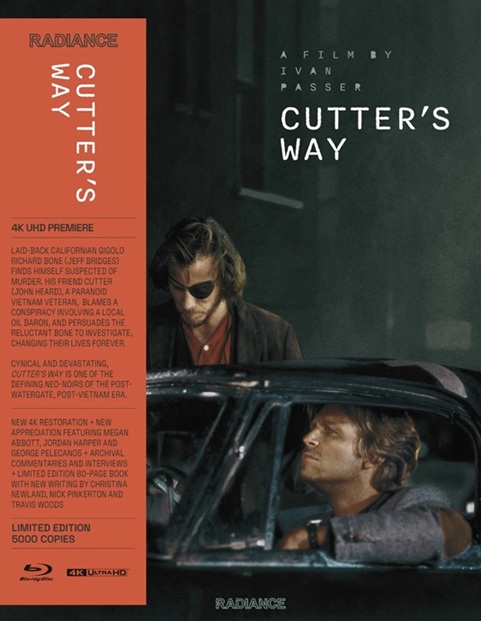
Back in 1981, legendary studio United Artists was in a terrible position after the release of Heaven’s Gate (1980). Truthfully, it wasn’t a terrible picture, but it did cost the company somewhere in the neighborhood of $40 million dollars. The feature became one of the biggest flops in Hollywood history after grossing only $3.5 million, putting the studio near bankruptcy. MGM soon stepped in, taking over UA and employing new executives, who buried several movies made by the previous management. One of those titles was Cutter’s Way, a gritty, challenging and fantastic crime movie that got abandoned and eventually pulled by the distributor.
The movie is now a cult classic and is adored by movie enthusiasts around the world. Radiance Films has released a “Limited Edition” 4K Ultra HD/Blu-ray combo of the title. The film has been given an impressive new 4K restoration and color grade from the original 35mm camera negative. It is also presented in Dolby Vision.
First off, the picture features a massive image upgrade. This is a grim movie and there is some grain visible on the print in some nighttime scenes, but that is to be expected. Overall, the movie looks phenomenal here, besting all previous editions. While the 4K Ultra HD improved resolution brings out some natural grain, I didn’t find it distracting. The daylights scenes are remarkable to behold and, overall, the presentation is wonderful. And the movie arrives with a wealth of extras that will give both fans and newbies a better understanding of the movie and its unique history.
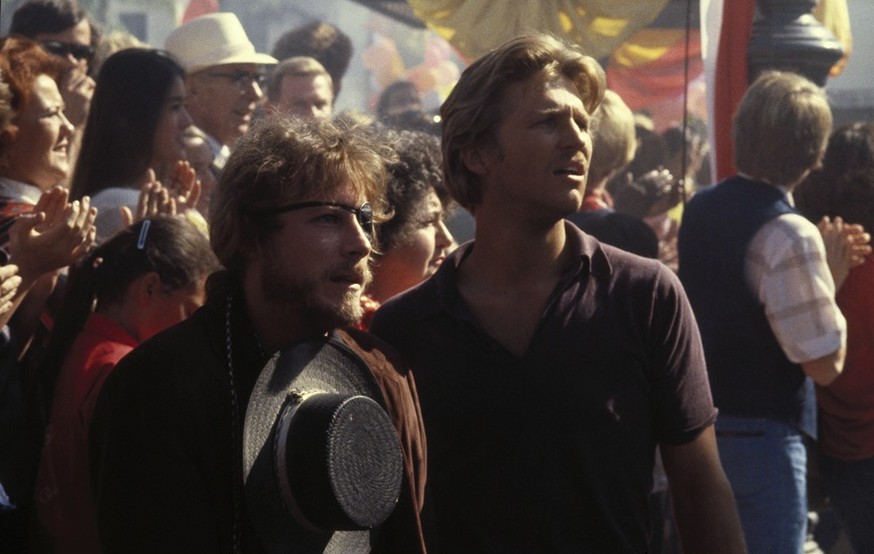
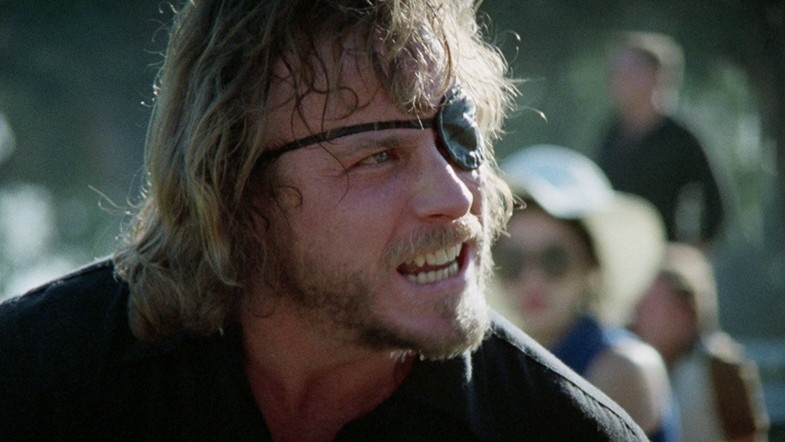
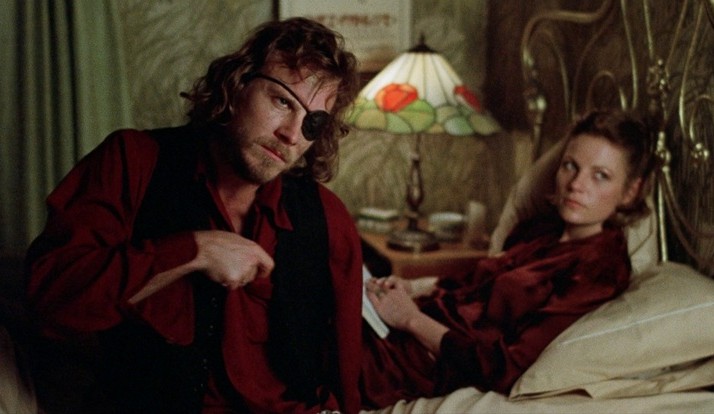
If you haven’t seen the title, it’s based on a seminal 1975 crime novel called Cutter and Bone by Newton Thornburg (although many changes have been made to the source material). Set in Santa Barbara, California, the film follows Richard Bone (Jeff Bridges), a Vietnam veteran and aimless man who coasts on his charming personality. His best friend, Alex Cutter (John Heard) is a veteran who lost an eye, arm and part of his leg on the left side of his body while serving his country. He lives in a ramshackle home with his alcoholic wife, Mo Cutter (Lisa Eichhorn).
Cutter is a drunk and angry man who causes trouble wherever he goes, often with the sole intention of getting a rise out of whomever is around him. One night on his way home from a romantic tryst, Bone’s car breaks down in an alley. He sees a figure there who tries to run him down. The next day, a young woman’s body is discovered in a nearby trash can. Bone is questioned by police and named a prime suspect. It’s a horrible situation, but one that seems to spur Cutter into action. After Bone suggests the figure whom he saw might have been powerful oil company magnate J.J. Cord (Stephen Elliott), Cutter concocts a wild and not particularly well-thought-out scheme to take the executive down, in the process getting the pair and their circle of friends and family into a great deal of trouble.
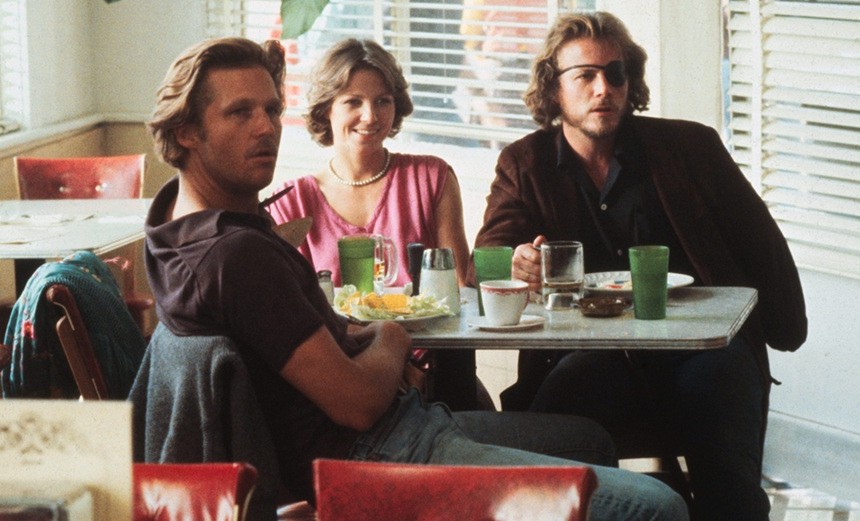
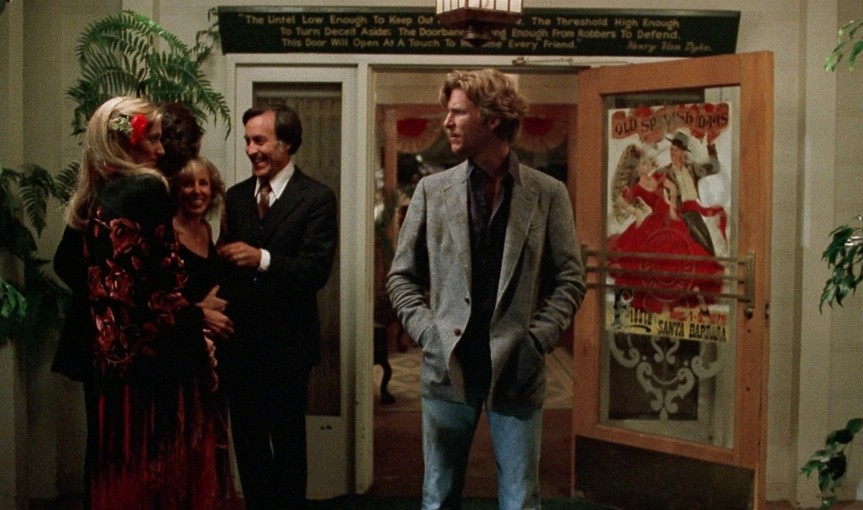
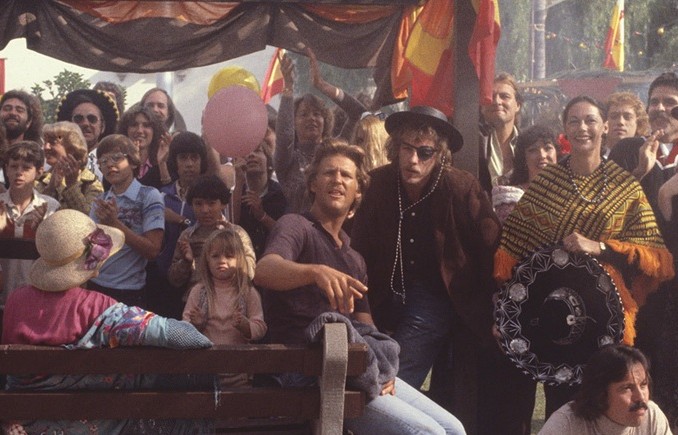
Anyone familiar with the movie will know that the mystery isn’t the main focus of the film. It’s the characters, who are all deeply flawed. Cutter is angry by what occurred to him during the war, casting appropriate blame on his government, as well as the wealthy upper classes. While charismatic, Bone is self-involved and doesn’t have the fortitude to stand up for anything, simply walking away whenever situations get complicated. He also has feelings for Mo Cutter, who struggles with her husband Cutter’s extreme mood swings, politically incorrect behavior and impulsive/abusive traits. There is an interesting dynamic between the trio of characters, all set against a beautiful Santa Barbara backdrop. The story is set during an “Old Spanish Days” festival celebrating the area’s cultural heritage (which is ironically presented by the town’s wealthy and elite white population).
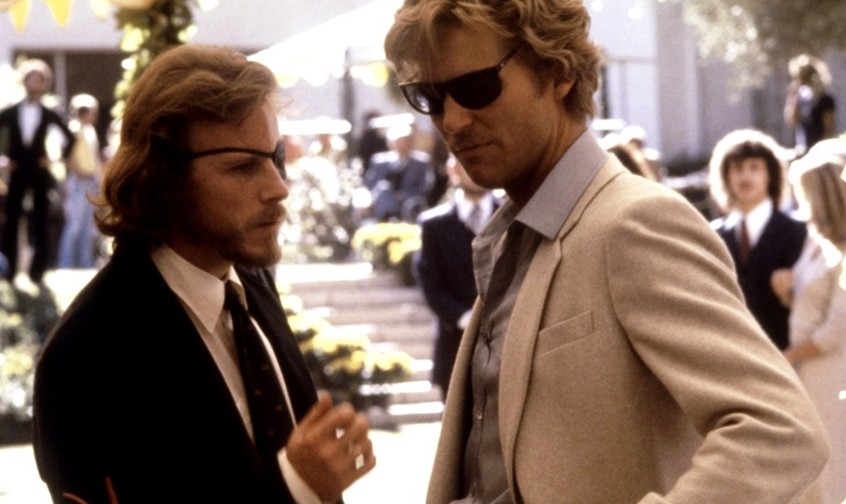
There’s a reason why this film is beloved by so many. The characters are unique for a Hollywood film in that they feel authentic and completely unlike the heroes in most crime movies. Their investigation skills are poor and Bone generally doesn’t even accept the idea that Cord was really responsible for the death, leading to tension and drama between the pair. There is important subtext in the story and many of the themes feel current today. Even those who simply want a solid character-based will be impressed, as all of the performances are top-notch. And despite the changes to the original novel, the ending is appropriately bleak, sticking the landing and making a lasting, powerful impression on the viewer.
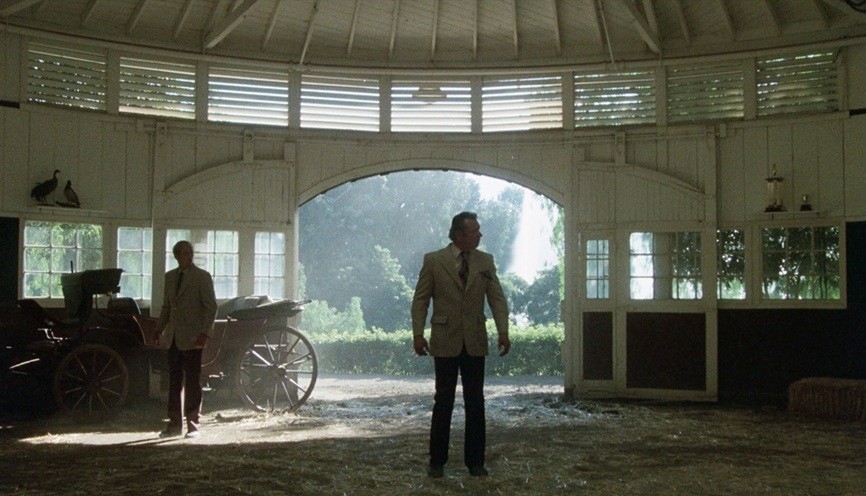
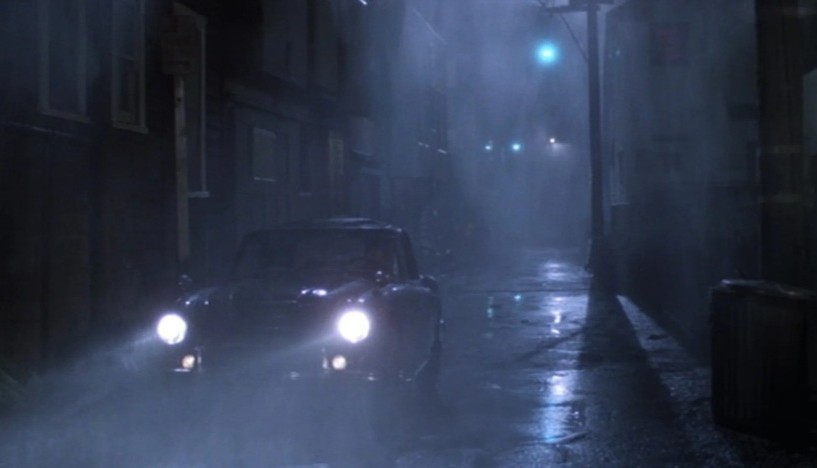
Additionally, the film is beautifully shot by Jordan Cronenweth (Altered States, Blade Runner), with images that stay with you long after the credits roll. This includes the opening credits which include slow-motion footage of a parade, as well as the dark alley featured early on during a storm, as well as the foggy morning in which the body is found. The climax, which features a fancy party at a mansion interrupted by a figure riding on horseback, makes a big impression too.
So, yes, this is a great film and the “Limited Edition” set marks a phenomenal presentation of the title. As far as extra features go, there are three commentary tracks. One, which was recorded in 2016, features film historians Julie Kirgo and Nick Redman discussing the picture and how it works on several levels. The analysis is very strong, with both expressing their opinions on some of the movie’s more open-ended elements (I will say that I completely agree with Kirgo and her take on the finale). There is also a commentary with crime novelist Matthew Specktor, who goes into detail about the film’s neo-noir elements and how the picture differs from the original novel.
And, if that wasn’t impressive enough, assistant director Larry Franco and unit production manager Barrie Osborne discuss their experiences working on the movie. Their tales are interesting and amusing. Apparently, producer Paul Gurian was new to the film business. This was his first major project, but he was very opinionated, leading to some conflict between himself and director Ivan Passer. The two speakers discuss how they were able to keep the pair from butting heads too much and shutting down the production.
On the accompanying Blu-ray, you can also see archival video interviews (from the last few years) with co-star Lisa Eichhorn, UA Classics exec Ira Deutchman, director Ivan Passer, Jeffrey Alan Fiskin, and producer Paul Gurian. Jeff Bridges provides a brief audio interview (which is also set up to serve as an introduction to the film), and there is an intro featuring French director Bertland Tavernier, who discusses his love for the movie (this feature appears to have come from a previous French release of the title). A featurette on the picture’s composer, Jack Nitzsche (who also wrote the score for One Flew Over the Cuckoo’s Nest, An Officer and a Gentleman and co-composed The Exorcist with Mike Oldfield), is included as well.
You’ll get a wealth of information from the bonuses, so I will try to sum up some of the bits I found fascinating.
The film went through a few years of development, with many actors (including Dustin Hoffman), considered for the main characters. Reportedly, Jeff Bridges was impressed by the screenplay. When producer Gurian visited to meet and talk about the project, Bridges’ dog attacked him. Horrified, the actor drove the producer to the hospital and accepted the part without really even discussing the screenplay much further with either Gurian or Passer. It’s a very funny story that is told from multiple perspectives on different bonuses.
The cast got on famously well and Eichhorn makes an impression sharing her take on the actions of her character. This includes the decisions she made and what she was trying to achieve in the film (which comes across very successfully, in my opinion). She noted that the visible camaraderie between the leads came easily, especially between herself and Heard, whom she had known from her time doing stage work.
Eichhorn notes that while Cutter could be an incredibly difficult character to like, she did her best to show why Mo still loved him. There are occasional moments where the pair are playful together, suggesting they had once been very happy together before tragedy stuck. She also notes that Passer had a very different, low-key and European approach on-set (which was likely where tension arose between himself and producer Gurian) that she found helpful and collaborative. It’s a great interview.
Of course, the lengthy discussion with late director Ivan Passer is excellent. Recorded in 2015, Passer clearly explains how he became involved in the picture and his intentions with the project. The filmmaker was part of the Czech new wave movement, having co-written the classic Milos Foreman satire The Fireman’s Ball, before earning accolades for his own features. He notes that around this time he was offered a sequel to the Sam Peckinhah movie Cross of Iron that was eventually produced and released as Breakthrough in 1979. Passer didn’t like the script, and around the same time met Cutter’s Way producer Gurian. He did see elements in this story that impressed him and he ultimately agreed to direct the film.
The director notes that he most connected to the Cutter character and wanted to do something different with this kind of individual. As a Czech who grew up during World War II, he had personal interactions with veterans and had found many, after experiencing unforgettable horrors in the conflict, were deeply troubled (likely suffering from PTSD and other issues). Hollywood movies hadn’t been presenting characters in this manner and the filmmaker wanted to present them in a more realistic and believable way. Passer also notes connections between the picture’s wealthy, untouchable upper class and explains the story’s connections to things he also experienced in his homeland. It’s always great to hear from the person directly responsible for the final product and learning about his views and inspirations are incredibly enlightening.
There is also a lengthy featurette on crime novels and the importance of the Cutter’s Way book and movie, as well as its influence on the genre. Another notable extra goes over what occurred during the troubled release of the movie. The new executives at United Artists weren’t interested in selling the movie, and after the press screening resulted in a negative review from Vincent Canby of The New York Times, they pulled the picture after a few days.
A new division of the company, United Artists Classics, did appreciate the feature, and when positive notices appeared praising the movie, they decided to try and rerelease the picture. The title was changed from Cutter and Bone to Cutter’s Way, and the speaker notes that his outlet’s work on reselling the picture was a success. Having looked up box office grosses, it seems that the rerelease did manage to recoup some of the film’s losses, but it was never the hit that many hoped it would be.
Promo materials are also included on the discs, along with a collector’s booklet with writing on the feature, as well as an interview with director Passer.If you haven’t guessed it already, I think Cutter’s Way is an exceptional movie. It’s an 1980s film that feels like it came from the mid-1970s, with great characters and a uniquely compelling narrative. The movie also addresses a lot of social issues that are still relevant today. This release from Radiance Films is equally incredible, presenting the film spectacularly and presenting great extras that will make one appreciate what was accomplished even more than before. This is one of the best disc releases so far this year and comes highly recommended.
