
This “Limited Edition” Blu-ray from Radiance Films is now available from most retailers.
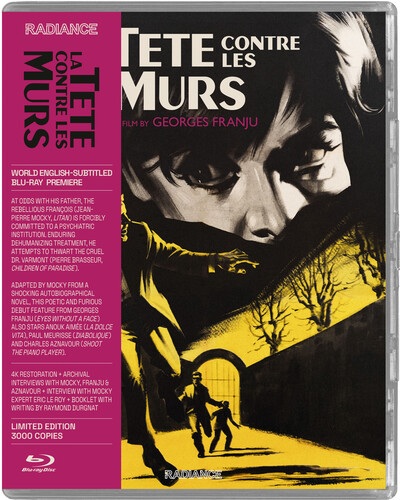
Radiance Films continues their exceptional track record of titles this week with two titles featuring popular French director Jean-Pierre Mocky. For those unfamiliar with Mocky, he began his career as an actor, before turning into a filmmaker. He would primarily make a living as a director, but occasionally returned to make onscreen appearances as an actor. La Tête Contre Les Muirs was a project he developed as a young man with the hopes of directing. When he couldn’t get the financial support to make his debut behind the camera, he found another man to helm the feature and agreed to star in the film (in order to maintain some control over the final result).
While there may have been a bit of conflict behind the scenes between the director and the star/screenwriter, the end result is phenomenal. This picture was well ahead of its time, critiquing the way in which mental illness is treated in French society. It boasts a compelling story, impressive performances, great black and white photography, and an effective message. The image quality on this Blu-ray is excellent. A 4K restoration of the film is the one appearing on this disc, and any movie enthusiast will be impressed. The disc contains some great bonuses that give newbies like myself important background information about the production and the importance of the title.
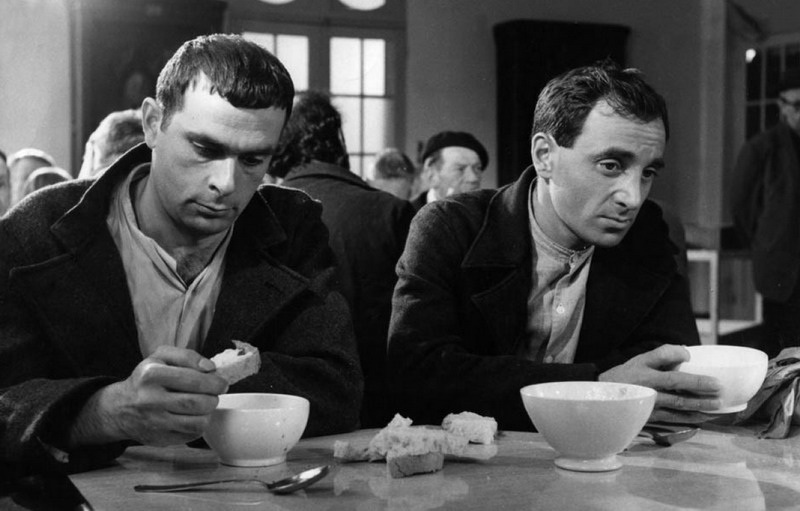
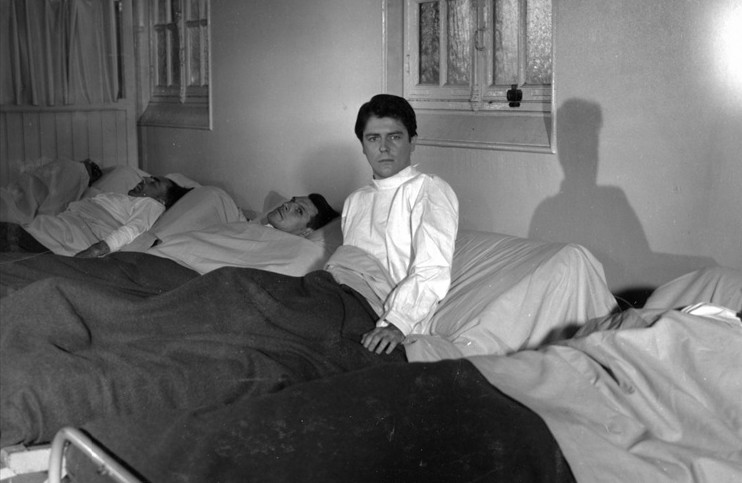
François Gérane (Jean-Pierre Mocky) is a young man in his 20s who doesn’t possess much direction in life. He’s from a wealthy family and is the son of a prominent lawyer Maître Gérane (Jean Galland), but he spends his time on the other side of the tracks, often getting into trouble. With debts growing, François decides to steal some money from his pop. He’s caught, and his furious dad decides that François should be committed. It’s clear that François isn’t unstable and simply hasn’t found his purpose yet. Maître just wants to punish him in the worst manner possible. François is placed under the care of Dr. Varmont (Pierre Brasseur) at a psychiatric institute on the outskirts of town. Varmont is a terrible caregiver, believing all who are under his care are monsters that need to be drugged and kept away from society. Thankfully, François does find a friend in the sweet, epileptic patient Heurtevent (Charles Aznavour), while also receiving visits from girlfriend Stephanie (Anouk Aimée). The pair try to get their care transferred to the more progressive Dr. Emery (Paul Meurisse), but end up being denied. Desperate, they mount an escape from the institution.
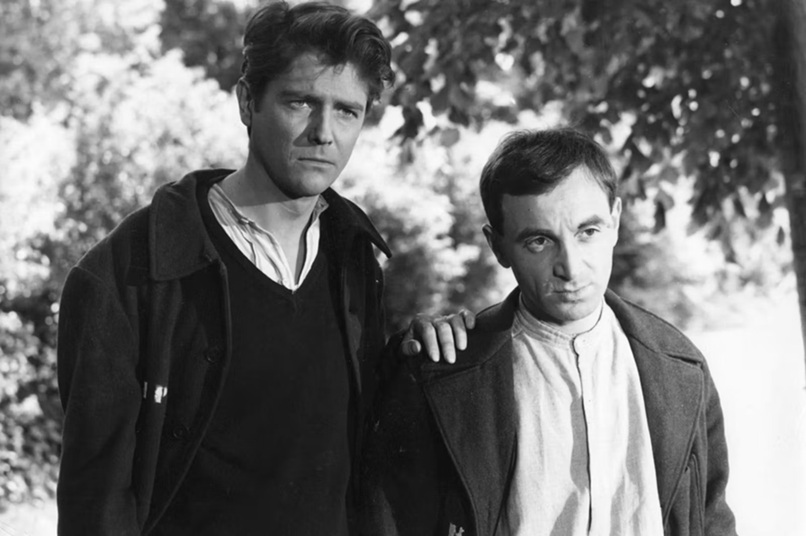
This is a low-key and beautifully shot effort that clearly was ahead of its time. While François isn’t the nicest individual, his issues are solvable, and the audience ends up having to endure his horrible treatment at the hands of Varmont. Additionally, Heurtevent clearly shouldn’t be in the institute, and has simply been thrown away by society. They are different, but both relatable characters who are easy to sympathize with.
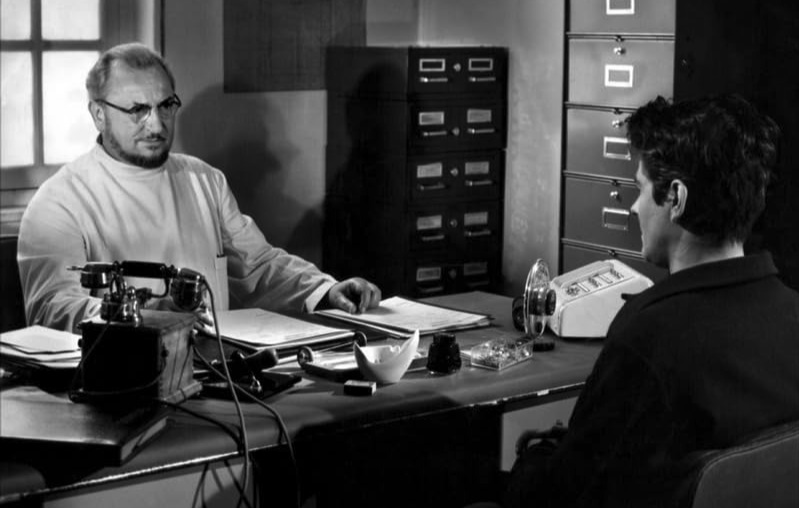
The dialogue scenes between the characters feel more authentic and believable that many other titles of its era and there is constant friction. Obviously, they are contending with their own psychological issues, but there is also great conflict between the leads and their doctor (not to mention disagreement between the doctors themselves about the correct course of treatment), and a few tense attempts at escape. The story maximizes all of this drama and makes a powerful impression on the viewer. And, the photography is impressive and moody, with the institute having a shadowy and foreboding appearance like that of a prison. The disheartening finale makes a lasting impression as well.
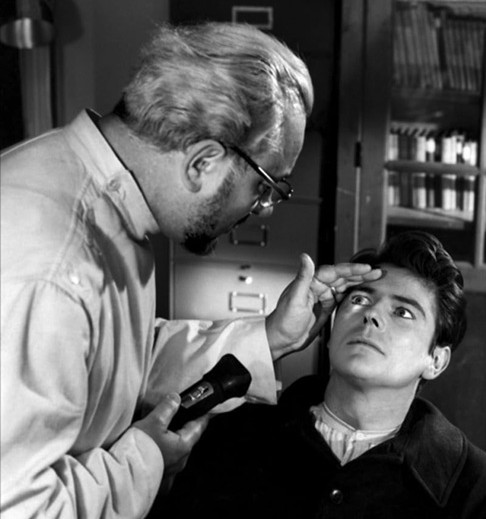
It’s a striking picture about important issues, and the quality on the Blu-ray is exceptional. This is a much-beloved movie in France, and a great deal of care has been taken with it. The film has been given a 4K restoration through Mocky’s own company and the image quality impresses throughout. It’s crisp and clean, with black looking inky and consistent.
And because the film may not be quite as well known here as in its homeland, there are several informative extras with wonderful background detail about the production. The first is an enlightening 2008 interview with Mocky. He explains how he got the idea and that he really wanted to direct, but couldn’t get any backing. He eventually convinced noted documentarian Georges Franju to take the helm, and the pair secured enough funds to start production. Mocky and Franju butted heads here and there (Mocky likes to take credit for a lot of the picture, although it’s very evident that Franju had a distinctive style and eye for the photography, helping to elevate many aspects of the picture. The speaker also talks about falling for his leading lady, who was not particularly interested in him, and notes that this helped with his performance.
There is also an archival interview with Franju and co-star Charles Aznavour, who was a famous singer. The performer explains that he was happy to take a supporting role in the picture simply because it was a great character and that he didn’t feel the need to be a cinema star, he just enjoyed taking on meaty roles.
And you will find a lengthy discussion with Mocky’s assistant, who is straight-forward about the production. He notes that Mocky was very excited about presenting a more realistic tone with the characters and situations, and that his screenplay captured this well. The assistant notes that scenes outside of the asylum had more of Mocky’s touch, while the institute scenes had a more moody and interpretive tone, which was a Franju touch. He notes that it all gels together remarkably well, and that the film did make one think about the care of those in institutions. The speaker states that when these places existed, they were far from hospitals and weren’t overseen by anyone, meaning that the care of the patients ultimately suffered in the process. He also explains that the film’s success allowed Mocky to begin making his own pictures as director, and cemented Franju as a notable talent (the following year he would direct the 1960 French classic, Eyes Without a Face).
Additionally, a booklet is included that contains an informative chapter from the writer’s book on director Georges Franju.
Overall, this is another great Blu-ray from Radiance Films that will appeal to anyone who enjoys classic French cinema. La Tête Contre Les Muirs is a fantastic release well worth picking up.
